Where are the Lags?
The data dependent Fed is waiting for signs of policy lags, but is there a chance that they’ve already hit? Bruce Monrad explains why he thinks the majority of the impact of rising rates is already baked into markets.

The data dependent Fed is waiting for signs of policy lags, but is there a chance that they’ve already hit? Bruce Monrad explains why he thinks the majority of the impact of rising rates is already baked into markets.
High Yield spreads are currently running below their historical highs, but that doesn’t necessarily mean that they have to widen. Portfolio manager Bruce Monrad explains how high yield spreads are sometimes both a result and target of monetary policy.
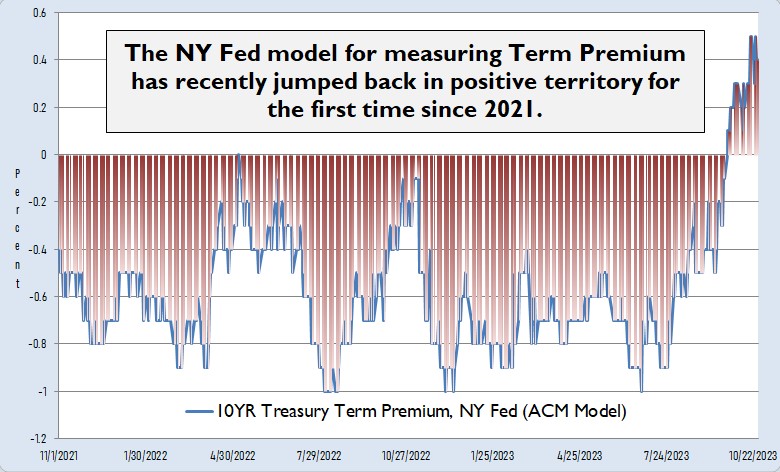
Bruce Monrad, Chairman and Portfolio Manager of Northeast Investors Trust, sheds some light on the resurgence of the Term Premium and how it influences the bond market landscape.
As interest rates surge, with the 10-year Treasury bond’s yield hitting a 16-year high at 4.8% and high yield market yields exceeding 9.0%, it’s time for a closer look at what this means for investors going forward.
Portfolio Manager Bruce Monrad shares his thoughts on why a “Higher For Longer” scenario may be shaping up and why High Yield might be the place to be.
The Fed’s Neutral Rate (also known as R* or R-Star) is starting to pick up steam in mainstream media. Here are a few recent articles:
Bruce Monrad explains how the Fed’s esoteric concept, R-star, may be shifting higher, signaling a “higher-for-longer” environment.
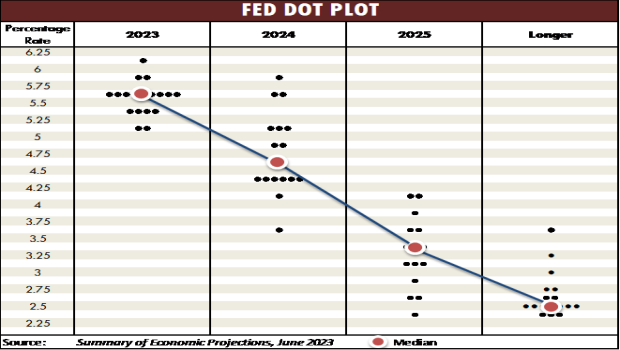
Bruce Monrad explains how changes in the Fed’s longer-term rate expectations (what he calls the “Other Terminal Rate”) could effect markets.
U.S. investors have shifted their Fed expectations from “Pivot” to “Pause”, but are they focusing on the wrong central bank?
Since the Global Financial Crisis of 2007-08, the Federal Reserve has poured trillions of dollars into the banking system through its Quantitative Easing (QE) program. But what happens when they reverse the flows? Will the plumbing hold?